
📅 Last updated: May 2026
The Ultimate Guide to Motocross Bikes: Everything You Need to Know in 2026
Choosing the right motocross bikes can make or break your off-road riding experience. Whether you’re a complete beginner stepping onto the track for the first time or an experienced rider looking to upgrade, understanding the different types, features, and capabilities of modern MX bikes is crucial for making an informed decision.
The 2026 motocross season brings exciting updates across all major manufacturers, with enhanced suspension systems, improved engine performance, and better overall reliability. Moreover, the market now offers more diverse options than ever before, spanning from youth-friendly 125cc two-strokes to powerful 450cc four-stroke racing machines.
What Are the Best Motocross Bikes for Beginners?
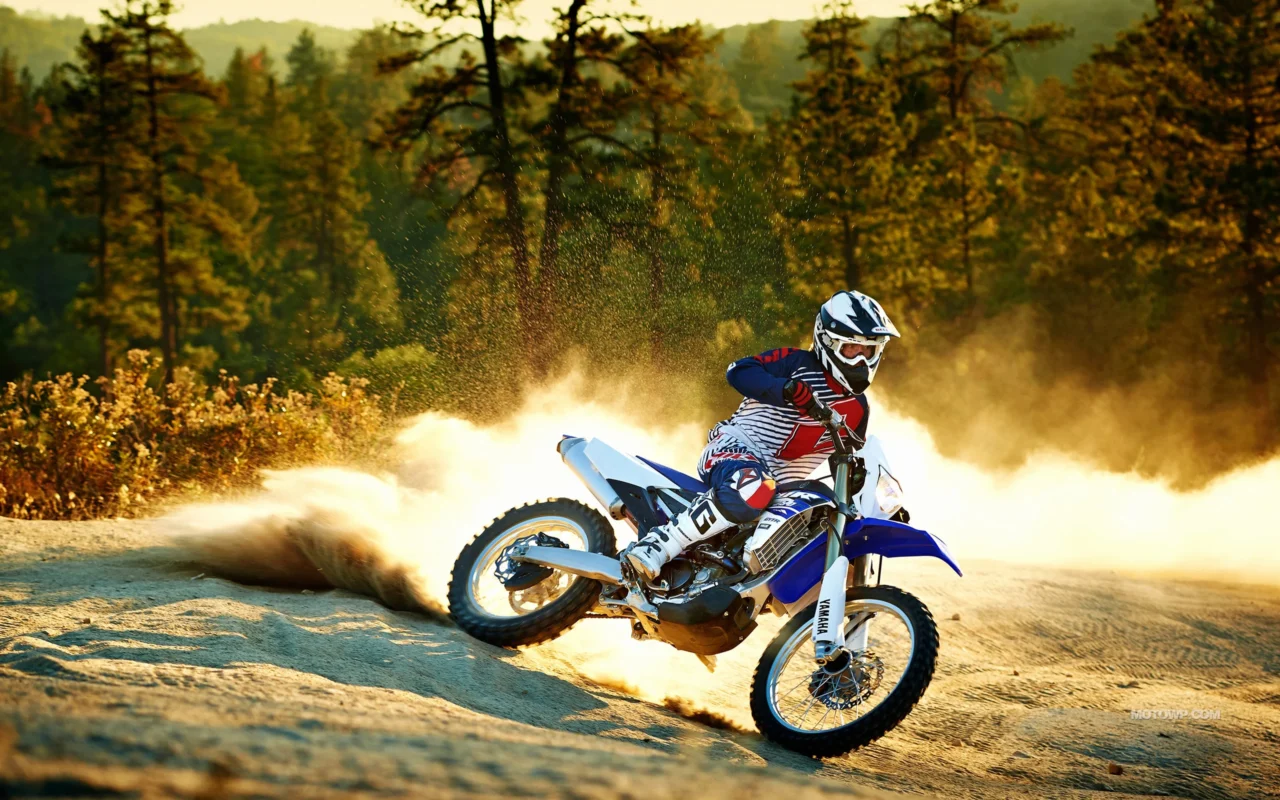
Starting your motocross journey requires a bike that balances power with forgiveness. The YZ125 is a two-stroke machine perfect for those just getting started in the sport, offering manageable power delivery and excellent build quality.
For adult beginners, the Yamaha YZ125 stands out as the top choice due to its predictable handling and reliable two-stroke engine. This bike provides enough power to grow with your skills while remaining controllable for newcomers. Additionally, its lightweight design makes it easier to handle during those inevitable learning curve moments.
Key Features for Beginner Bikes
Power delivery should be smooth and predictable rather than aggressive. Four-stroke engines typically offer more linear power, while two-strokes provide snappier acceleration that some beginners find challenging. However, many experienced riders recommend starting with a 125cc two-stroke because it teaches proper technique without overwhelming power.
Weight considerations play a crucial role in bike selection. Lighter bikes are easier to control, pick up after falls, and maneuver around the track. Most beginner-friendly motocross bikes weigh between 190-220 pounds, which strikes a good balance between stability and manageability.
How Much Do Motocross Bikes Cost?
Motocross bike prices vary significantly based on engine size, brand, and whether you’re buying new or used. Understanding these price ranges helps you budget appropriately and avoid overspending on features you don’t need yet.
New motocross bikes typically range from $4,000 for entry-level 125cc models to over $10,000 for premium 450cc machines. Meanwhile, the used market offers excellent value, with well-maintained bikes available for 30-50% less than new prices.
| Bike Category | New Price Range | Used Price Range | Best For |
|---|---|---|---|
| Youth (50-85cc) | $2,500-$4,500 | $1,500-$3,000 | Kids 4-12 years |
| 125cc Two-Stroke | $6,500-$8,000 | $3,500-$5,500 | Beginners/Intermediate |
| 250F Four-Stroke | $8,000-$9,500 | $4,500-$7,000 | Intermediate riders |
| 450cc Four-Stroke | $9,500-$11,000 | $6,000-$8,500 | Advanced/Racing |
Furthermore, remember to budget for essential gear, maintenance, and potential repairs. A complete riding setup including helmet, boots, protective gear, and basic tools can add $1,500-$3,000 to your initial investment.
What’s the Difference Between Two-Stroke and Four-Stroke Motocross Bikes?
The engine type fundamentally affects how your bike performs, sounds, and requires maintenance. Understanding these differences helps you choose the right powerplant for your riding style and maintenance preferences.
Two-stroke engines complete their power cycle in two piston movements, creating a lighter, more responsive machine. We love two-strokes! Luckily, so do many other riders and the 2025 collection of two-strokes is as big and diverse as ever, with manufacturers continuing to develop these simpler engines.
Four-stroke engines complete their cycle in four piston movements, generally producing smoother power delivery and better fuel efficiency. These engines typically require less frequent rebuilds but are heavier and more complex.
Performance Characteristics
Power delivery differs significantly between engine types. Two-strokes provide immediate throttle response with a “hit” of power that experienced riders love but beginners might find challenging. Conversely, four-strokes offer more linear, predictable power that’s easier to control but may feel less exciting.
Weight distribution also varies considerably. Two-stroke bikes are typically 15-30 pounds lighter than equivalent four-strokes, making them easier to handle in tight situations and less tiring during long rides.
Which Motocross Bike Brands Are Most Reliable?
Brand reputation matters significantly in motocross, where mechanical failures can end races and create safety hazards. Six of the best standard-model 450cc motocross bikes of 2025 get weighed, dynoed, and track tested to determine how they rank in terms of overall performance, providing valuable insights into current reliability standings.
Yamaha consistently ranks among the most reliable brands, with their YZ series earning praise for durability and consistent performance. The company’s conservative approach to updates means fewer first-year problems but sometimes slower adoption of cutting-edge technology.
Honda maintains an excellent reputation for build quality and reliability, particularly with their CRF series. The 2025 CRF motocross models will be displayed in Honda’s vendor booth, showcasing their continued commitment to the motocross market.
Top Reliable Brands
KTM and Husqvarna (sister companies) offer high-performance bikes with excellent handling characteristics. While historically less reliable than Japanese brands, recent models have significantly improved in durability while maintaining their performance edge.
Kawasaki provides solid, dependable machines with competitive pricing. Their KX series offers good value and reliability, though they sometimes lag behind competitors in cutting-edge features.
How Often Do Motocross Bikes Need Maintenance?
Proper maintenance keeps your bike reliable and extends its lifespan significantly. Motocross bikes operate under extreme conditions, requiring more frequent service than street motorcycles.
Basic maintenance should occur after every ride, including cleaning, chain lubrication, and visual inspection for damage or loose components. This routine prevents small problems from becoming expensive repairs.
Oil changes vary by engine type. Four-strokes typically need oil changes every 3-5 rides or 10-15 hours of operation, while two-strokes require transmission oil changes less frequently but need more attention to fuel mixture ratios.
Maintenance Schedule
Weekly/After Every Ride:
- Clean air filter
- Check and adjust chain tension
- Inspect tires for wear or damage
- Clean bike thoroughly
Monthly/Every 10-15 Hours:
- Change engine oil (four-stroke)
- Check and adjust valve clearances
- Inspect suspension linkage
- Replace spark plug if needed
What Safety Gear Do I Need for Motocross?
Safety gear is non-negotiable in motocross. The sport’s inherent risks require comprehensive protection to prevent serious injuries during crashes or mechanical failures.
Essential protective equipment includes a DOT-approved helmet, boots, gloves, and body armor. Quality gear costs significantly more than basic equipment but provides superior protection and comfort during long riding sessions.
Helmet selection deserves special attention as head injuries represent the most serious risk in motocross. Choose helmets specifically designed for off-road use, which offer better ventilation and peripheral vision than street helmets.
Complete Safety Gear Checklist
Critical Protection:
- DOT/Snell-approved motocross helmet
- Knee and shin guards
- Chest and back protector
- Sturdy boots with ankle protection
- Gloves with knuckle protection
Additional Recommended Gear:
- Goggles with tear-offs or roll-offs
- Kidney belt for back support
- Elbow guards
- Hip and tailbone protection
7 Best Motocross Bikes on Amazon – Honest Reviews
Best Overall Motocross Bike
Honda CRF250R — the perfect balance of power, handling, and reliability for intermediate to advanced riders
Why it won: The CRF250R delivers class-leading suspension (Showa 49mm coil spring forks), a broad powerband that suits both beginners and experts, and Honda’s legendary reliability. Electric start, hydraulic clutch, and crisp fuel injection make it a joy to ride all day. Whether you’re chasing podium finishes or just having fun at local tracks, this bike inspires confidence and never lets you down.
Runner‑up: Yamaha YZ125 (best two-stroke for learning proper technique).
Honda CRF250R 🏆 BEST OVERALL
The Honda CRF250R is the gold standard for 250cc four-stroke motocross. Its 249cc liquid-cooled engine delivers smooth, usable power across the rev range, while the electric start (a huge convenience) makes restarting after a stall effortless.
The Showa 49mm coil spring forks and Pro-Link rear suspension are plush yet bottom‑resistant, soaking up braking bumps and landing harsh jumps with ease. Honda’s reputation for bulletproof reliability means fewer top‑end rebuilds compared to European rivals.
Riders praise the neutral handling – the bike goes exactly where you point it without fighting back. The only real downsides: it’s slightly heavier than a KTM 250 SX‑F, and the stock tires wear quickly on hardpack. For most riders, it’s the complete package.
✅ Pros
- Honda reliability – low maintenance
- Electric start standard
- Excellent Showa suspension
- Smooth, forgiving power delivery
- Neutral, confidence‑inspiring handling
❌ Cons
- Slightly heavier than KTM/Husky
- Stock tires wear quickly
- Pricey (~$8,500 new)
The YZ125 is arguably the best beginner motocross bike on the market. Its 125cc two-stroke engine is lightweight (around 190 lbs) and teaches clutch control, corner speed, and momentum – skills that make you a faster rider on any bike.
The 2025 model received updated KYB suspension and a wider powerband, making it more forgiving than older two-strokes.
Owners love the crisp throttle response and the exhilarating “hit” when the power valve opens. Maintenance is simple and cheap compared to four-strokes (top‑end rebuild ~$150).
Downsides: you must mix fuel and oil, and the bike lacks electric start. For teenagers and smaller adults looking to master the basics, the YZ125 is unbeatable.
✅ Pros
- Very light (~190 lbs)
- Teaches proper riding technique
- Inexpensive maintenance
- Class‑leading KYB suspension
- Strong aftermarket support
❌ Cons
- No electric start
- Requires premix fuel
- Narrow powerband – must be ridden hard
Kawasaki KX450
The KX450 is a torque monster built for aggressive riders who want arm‑stretching acceleration. Its 449cc four-stroke engine pulls hard from bottom to top, making it a favorite for deep loam tracks and starts.
Launch control and adjustable engine mapping (via handlebar switch) let you tailor power delivery to track conditions.
The Showa suspension is spring fork, offering excellent bottoming resistance. Owners praise the ergonomics – the KX450 feels spacious and comfortable for taller riders.
However, the bike’s aggressive power can be intimidating for novices, and it vibrates more than Honda or Yamaha. The build quality is solid, and parts are widely available. Ideal for A‑class racers or big guys who need all the grunt they can get.
✅ Pros
- Brutal bottom‑end torque
- Launch control & adjustable maps
- Excellent for tall riders
- Strong aftermarket support
❌ Cons
- Too aggressive for beginners
- Vibration at high RPM
- Heavy feel (233 lbs)
KTM 450 SX-F
The KTM 450 SX-F is the lightest, most agile 450 in its class. At just 223 pounds ready‑to‑ride, it feels like a 250 on the track but with explosive 450 power. The hydraulic Brembo clutch is buttery smooth, and the WP XACT air fork is highly tunable (though some riders dislike the air fork feel).
The bike turns on a dime and inspires confidence in rutted corners. KTM’s Build Your Own Power (BYOP) package includes different ignition maps and traction control.
Reliability has improved dramatically in recent years, but parts and service cost more than Japanese brands. If you want the most race‑ready 450 out of the crate and don’t mind premium pricing, the SX‑F is your machine.
✅ Pros
- Lightest 450 (223 lbs)
- Amazing cornering agility
- Hydraulic Brembo clutch
- Traction control & launch control
- High‑end WP suspension
❌ Cons
- Expensive parts & service
- Air fork not for everyone
- Aggressive power delivery
Husqvarna FC 350
The Husqvarna FC 350 offers a unique sweet spot between a 250F and a 450F. Its 350cc engine delivers 450‑like torque with 250‑like rev‑ability, making it incredibly versatile for riders who find 250s underpowered but 450s too intense.
The bike features the same WP XACT suspension and Brembo brakes as its KTM cousin, but with Husky’s signature subframe mounted composite construction and a softer, more compliant feel. Owners love the smooth, linear power that hooks up in slippery conditions.
The downside? The 350cc class has less aftermarket support than 250/450, and resale value is slightly lower. For Vet riders or those transitioning from 250Fs, the FC 350 is a revelation – it’s the thinking rider’s motocross bike.
✅ Pros
- Perfect power for Vet/Intermediate
- Very smooth, tractable delivery
- High‑quality components
- Unique look (white/yellow)
- Great for mixed terrain
❌ Cons
- Less aftermarket support
- Resale value below 250/450
- Expensive maintenance
Suzuki RM-Z250
The RM-Z250 is often overlooked, but it’s a fantastic value for budget‑conscious riders. Suzuki hasn’t updated it as frequently as competitors, but that means you can find great deals on new old stock or lightly used models.
The 249cc engine is smooth and predictable, making it very beginner‑friendly. The Showa suspension is well‑tuned for intermediate riders, and the bike handles ruts and flat corners with poise. Where it falls short: no electric start (still kick-only), and it’s about 5 lbs heavier than the class leaders.
However, for the money, you get solid reliability and easy maintenance. If you’re on a tight budget and want a dependable 250F, the RM‑Z250 is a smart choice.
✅ Pros
- Excellent value / affordable
- Very predictable handling
- Easy maintenance
- Good suspension for the price
❌ Cons
- No electric start
- Heavier than rivals
- Outdated compared to Honda/Yamaha
Kawasaki KX85
The KX85 is a top choice for youth riders moving up from mini bikes. Its 84cc two-stroke engine is peppy but manageable, with adjustable power valve and optional high‑compression cylinder head for racing.
The bike comes with a 16″ front / 14″ rear wheel setup that handles small jumps and rutted corners confidently. Parents love that the KX85 includes adjustable suspension (compression and rebound) – rare in this class – so the bike grows with the rider.
The kick start is easy for most kids, and the bike is light (~150 lbs). Downsides: two‑stroke maintenance (premix, frequent piston changes) and the powerband can be sudden for very young or timid riders. For competitive 85cc racing, the KX85 is a podium contender.
✅ Pros
- Fully adjustable suspension
- Lightweight (~150 lbs)
- Strong aftermarket parts support
- Adjustable power valve
❌ Cons
- Requires premix fuel
- Powerband can be sudden
- Regular top‑end maintenance needed
Frequently Asked Questions
What’s the best motocross bike for a beginner adult?
For adult beginners, the Yamaha YZ125 (two‑stroke) or Honda CRF250R (four‑stroke) are top choices. The YZ125 teaches proper clutch and cornering technique, while the CRF250R offers smooth, forgiving power and electric start.
How often should I rebuild my motocross bike engine?
Two‑strokes need top‑end rebuilds every 20‑40 hours, bottom‑ends less often. Four‑strokes can go 50‑100 hours on top‑ends, but piston and valve checks are critical. Always follow manufacturer recommendations.
Can I ride a motocross bike on the street?
Most motocross bikes are not street legal. They lack lights, mirrors, and DOT tires. Some states allow conversion with an off‑road kit, but it’s rarely practical. Consider a dual‑sport or enduro bike for road use.
What size motocross bike for a 10‑year‑old?
A 65cc or 85cc two‑stroke (or 110cc four‑stroke) is typically best for a 10‑year‑old, depending on height. Measure inseam – the rider should be able to touch the ground with both feet flat.
Is a 250F or 450F better for a heavy rider?
Riders over 200 lbs will be more comfortable on a 450F – the extra torque handles their weight without straining the engine or suspension. A 250F can work if the rider is skilled, but expect to rev it harder.
Conclusion
Selecting the right motocross bike involves balancing your skill level, budget, intended use, and personal preferences. Whether you choose a nimble 125cc two-stroke for learning or a powerful 450cc four-stroke for racing, success depends more on proper maintenance, quality safety gear, and consistent practice than having the latest technology.
Furthermore, remember that the best motocross bike is the one you can afford to maintain properly and ride regularly. Start conservatively, focus on developing your skills, and upgrade gradually as your experience and commitment to the sport grow.
