
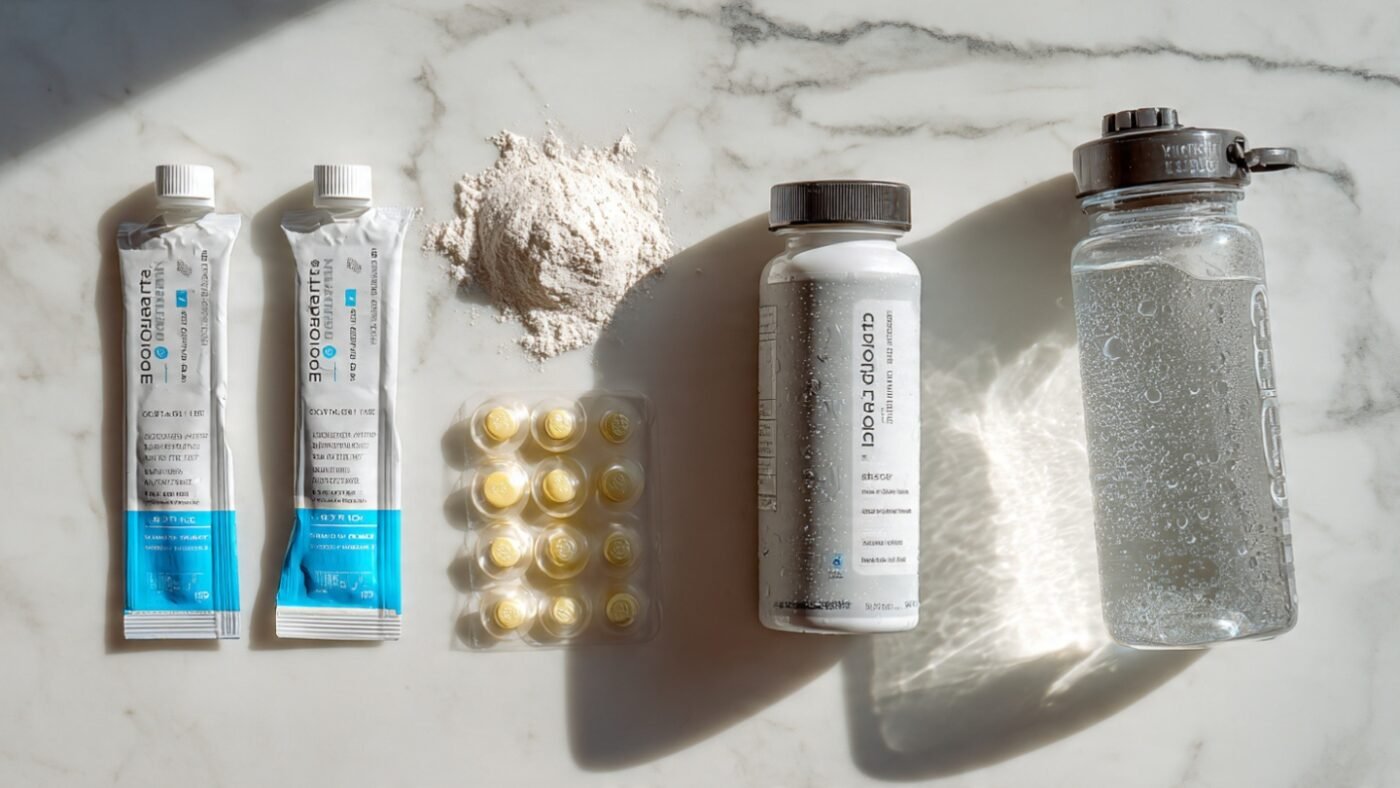
Best Low Sugar Electrolyte Options for Cycling.
Most commercial sports drinks are essentially sugar water with a marketing budget. For cyclists who want real electrolyte replacement without the sugar spike, the crash, artificial sweeteners, or unnecessary calories, the market has never been better — but it has also never been more confusing.
This guide cuts through the noise, covering exactly what low sugar electrolytes are, why they work, which products genuinely deliver on their claims, and what the best electrolyte drinks options for cycling look like across every budget, session type, and flavour preference in 2026.
Why Low Sugar Electrolytes Make Sense for Indoor Cycling
Sugar in sports drinks serves one primary purpose: fuelling. For efforts over 60–90 minutes at sustained high intensity, carbohydrates delivered through your drink provide meaningful performance fuel. For everything else — short sessions, moderate efforts, weight-conscious training, or rides where you’re eating solid food — the sugar in your bottle is largely redundant.
Indoor cycling creates a particularly strong case for low sugar electrolytes:
- Most indoor sessions run 20–45 minutes — well within the range where carbohydrates from a drink deliver minimal performance benefit.
- Sweat rates are high due to absent airflow.
- You need serious mineral replacement — primarily sodium, potassium, magnesium, and calcium — without the caloric and glycaemic load that comes with full-sugar sports drinks.
As ROUVY’s electrolyte guide confirms: “A simple home mix — water, a measured pinch of table salt, a squeeze of citrus, and a little sugar or honey if you want carbs — can cover the basics for most riders.” The point is control — and low sugar products give you precisely that.
Who Benefits Most from Low Sugar Electrolytes
- Weight management riders — eliminating drink sugar removes 80–160 empty calories per session without reducing hydration quality.
- Diabetic or insulin-sensitive cyclists — avoiding glucose and fructose spikes during exercise improves blood sugar stability.
- Short-session riders (under 60 min) — no meaningful carbohydrate depletion occurs; sugar serves no functional purpose.
- Riders fuelling separately — using gels, bars, or real food for carbohydrates; drink is purely for hydration and mineral replacement.
- Anyone who dislikes sweet drinks — particularly relevant in hot conditions when cloying sweetness becomes nausea-inducing at high intensities.
What “Low Sugar” Actually Means on an Electrolyte Label
This distinction matters — and most guides ignore it entirely.
| Category | Description | Examples |
|---|---|---|
| Zero Sugar | No added sugars and no naturally occurring sugars. Often uses artificial sweeteners (stevia, sucralose, acesulfame K). | High5 Zero, Precision PH 500, Styrkr SLT07 |
| Low Sugar | Reduced sugar compared to standard sports drinks — typically under 5g per 100ml. May use small amounts of natural sugar to aid absorption. | Skratch Labs (4g/100ml), Torq Hydration |
| No Artificial Sweetener | Products that are both low sugar and free of synthetic sweeteners. Use natural flavouring only. | Torq Hydration, DIY salt-lemon water |
Best Low Sugar Electrolyte Products for Cycling in 2026: Ranked
1. High5 Zero — Best Zero-Sugar Tablet Overall
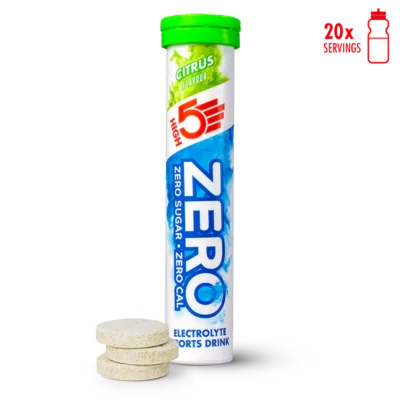
BikeRadar and Cyclistia both rank High5 Zero as the benchmark against which all other zero-sugar electrolyte tablets are measured. It delivers 250mg sodium, 70mg potassium, 56mg magnesium, and 9mg calcium per tablet dissolved in 500ml, with added vitamin C and zero sugar — all at one of the lowest price points on the market.
- Sodium: 250mg per tablet
- Sugar: Zero
- Carbohydrates: Zero
- Vitamin C: ✅ Added
- Informed-Sport Certified: ✅ Yes
- Price: ~£0.35–£0.40 per serving
- Flavours: 8+ options
Our Team Verdict: “For standard indoor sessions under 60 minutes, High5 Zero is the most straightforward, reliable, and affordable zero-sugar solution available.”
✅ Buy if: Budget matters, sessions 30–60 min, zero sugar, zero complexity.
❌ Avoid if: You’re a heavy sweater — 250mg sodium may be insufficient; upgrade to Styrkr SLT07.
2. Skratch Labs Sport Hydration Mix — Best Low Sugar Powder
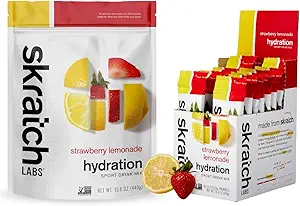
Cycling Weekly rates Skratch Labs as the “best with less sugar” option. At just 4g of sugar per 100ml (natural), it delivers 800mg sodium, 80mg potassium, 100mg calcium, and 80mg magnesium per litre.
The small amount of natural sugar facilitates sodium co-transport across the intestinal wall — meaning absorption is faster than pure zero-sugar solutions — without creating a meaningful insulin response.
- Sodium: 800mg/L
- Sugar: 4g/100ml (natural)
- Carbohydrates: Moderate (from fruit)
- Format: Powder (sachet or bag)
- Flavours: 6 (all natural)
- Price: ~£1.00–£1.20 per serving
✅ Buy if: You want the most complete electrolyte profile, best taste, and highest sodium in a powder.
❌ Avoid if: You need absolute zero carbohydrates — Skratch has modest natural sugar.
3. Precision Fuel & Hydration PH 500 — Best for Controlled Dosing
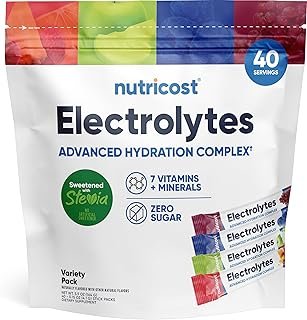
BikeRadar describes PH 500 as “a good option to replace low-to-medium salt losses”. The tiered system (PH 500 / PH 1000 / PH 1500) allows sweat-rate-matched dosing — all zero-sugar, zero-carb, and Informed-Sport certified.
- Sodium: 250mg (PH 500) / 500mg (PH 1000) / 750mg (PH 1500)
- Sugar: Zero
- Sweetener: Stevia (natural)
- Informed-Sport: ✅
- Price: ~£0.59–£0.89 per serving
✅ Buy if: You’ve tested your sweat rate and want personalised sodium dosing with zero sugar.
❌ Avoid if: You want the lowest price — PH 500 costs more than High5 Zero for similar sodium.
4. Styrkr SLT07 — Best Zero-Sugar Tablet for Heavy Sweaters
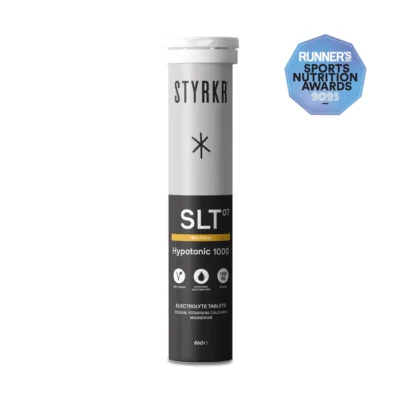
Where others deliver 250mg sodium, Styrkr SLT07 delivers 500mg sodium in a zero-sugar, zero-carb effervescent tablet — the highest-strength standard zero-sugar tablet available in 2026. It can be split in half for lighter sessions, offering effective dose flexibility.
- Sodium: 500mg (250mg half-dose)
- Potassium: 100mg
- Sugar: Zero
- Carbohydrates: Zero
- Batch-tested: ✅
- Price: ~£0.70 per serving
✅ Buy if: Heavy sweater, warm room training, HIIT sessions, or anyone finding 250mg sodium insufficient.
❌ Avoid if: Light sweater in a cool room — full dose may be excessive; consider half-dosing.
5. Kinetica Electro-C — Best Budget Zero-Sugar Tablet
Cyclistia rates Kinetica Electro-C as the best value zero-sugar electrolyte tablet in 2026 — delivering 250mg sodium, potassium, magnesium, and vitamin C at just ~£0.34 per serving, slightly cheaper than High5 Zero. Informed-Sport certified.
- Sodium: 250mg
- Vitamin C: ✅ Added
- Informed-Sport: ✅
- Sugar: Zero
- Price: ~£0.34 per serving
✅ Buy if: Budget is the primary driver alongside reliability and certification.
❌ Avoid if: You need higher sodium concentration or a wider mineral profile.
6. OTE Orange Hydro Tabs — Best Zero-Sugar with Added Vitamins
Delivers 260mg sodium alongside vitamin C and vitamin B complex, naturally sweetened with stevia. B vitamins support energy metabolism during exercise, making OTE Hydro Tabs a marginally more complete recovery product.
- Sodium: 260mg
- Vitamins: B complex + C
- Sweetener: Stevia
- Sugar: Zero
- Price: ~£0.40 per serving
✅ Buy if: You want added vitamin B support alongside standard electrolytes at low cost.
❌ Avoid if: You want the highest sodium concentration available.
7. Named Sport HydraFit Zero — Best European Zero-Sugar Option
Cyclistia identifies HydraFit Zero as a strong entry — particularly popular among European riders for its clean formulation, natural flavours, and solid electrolyte profile with zero carbohydrates.
✅ Buy if: You’re based in Europe and prefer clean-label Italian sports nutrition brands.
❌ Avoid if: Global availability and widely recognised certification are priorities.
Full Comparison Table: Best Low Sugar Electrolyte Products 2026
| Product | Sugar | Sodium | Format | Sweetener | Certified | Price/Serving |
|---|---|---|---|---|---|---|
| High5 Zero | Zero | 250mg | Tablet | Stevia | ✅ Informed-Sport | ~£0.35 |
| Skratch Labs | 4g/100ml | 800mg/L | Powder | None (natural) | ✅ | ~£1.20 |
| Precision PH 500 | Zero | 250–750mg | Tablet | Stevia | ✅ Informed-Sport | ~£0.59–0.89 |
| Styrkr SLT07 | Zero | 500mg | Tablet | None listed | ✅ Batch-tested | ~£0.70 |
| Kinetica Electro-C | Zero | 250mg | Tablet | None listed | ✅ Informed-Sport | ~£0.34 |
| OTE Hydro Tabs | Zero | 260mg | Tablet | Stevia | ✅ | ~£0.40 |
| Named Sport HydraFit | Zero | ~250mg | Powder | Natural | ✅ | ~£0.65 |
| DIY Salt + Lemon | Zero | Variable | Homemade | None | N/A | ~£0.02 |
Natural Low Sugar Electrolyte Alternatives: What Actually Works
Not every rider wants a lab-formulated tablet. Here is what natural options actually deliver — honestly assessed.
Coconut Water
The case for it: Naturally high in potassium (~600mg per 250ml), some sodium, and 5–6g sugar per 100ml.
Limitation: Sodium is significantly lower — 40–60mg per 250ml vs 250–500mg in commercial products. Fix: Add a quarter teaspoon of salt to correct the deficit.
Best for: Easy to moderate sessions under 45 minutes, post-ride recovery.
Salt + Citrus Water (Reddit favourite)
Recipe: 500ml cold water + ¼ tsp sea salt (~500mg sodium) + juice of half a lemon/lime. Optional: pinch of cream of tartar for potassium.
Cost: ~£0.02 per bottle. Zero sugar, zero additives, fully customisable.
Limitation: No magnesium or calcium — add mineral water base for extended sessions.
Natural Electrolyte Foods for Pre/Post-Ride
| Food | Key Electrolyte | How to Use |
|---|---|---|
| Banana | Potassium (422mg) | Pre-ride snack or post-ride recovery |
| Coconut water | Potassium + sodium | Post-ride or light session hydration |
| Sweet potato | Sodium + carbs | Post-ride meal for glycogen + minerals |
| Avocado | Potassium + magnesium | Pre-ride meal base |
| Salted nuts | Sodium + magnesium | Mid-session snack for long rides |
| Greek yoghurt | Calcium + potassium | Post-ride recovery |
| Dark leafy greens | Magnesium + calcium | Daily dietary support |
Why to Buy vs Why to Avoid: The Decision Made Simple
| Product | ✅ Best For | ❌ Not For |
|---|---|---|
| High5 Zero | Budget, 30–60 min, simple protocol | Heavy sweaters, hot rooms |
| Skratch Labs | Best taste + science, 45+ min | Strict zero-carb requirement |
| Precision PH | Sweat-rate-matched dosing, athletes | Those wanting lowest cost |
| Styrkr SLT07 | Heavy sweaters, HIIT, warm rooms | Cool room light sessions |
| Kinetica Electro-C | Absolute budget minimum, certified | High sodium needs |
| OTE Hydro Tabs | Added vitamin B, basic sessions | Maximum sodium requirement |
| DIY Salt + Lemon | Zero budget, zero additives | Precision dosing, race prep |
| Coconut water | Natural preference, easy rides | Hard indoor sessions solo |
A Note on Artificial Sweeteners in Zero-Sugar Electrolytes
| Sweetener | Type | Characteristics | Used In |
|---|---|---|---|
| Stevia | Natural | Zero GI, slightly herbal aftertaste. Best tolerated. | Precision PH, OTE Hydro Tabs |
| Sucralose | Synthetic | 600x sweeter. Some report GI sensitivity during hard exercise. | Some High5 variants, generic tablets |
| Acesulfame K | Synthetic | Often combined with sucralose. Bitter aftertaste in some. | Less common in premium products |
The cleanest options: Skratch Labs (natural fruit + sugar, no sweeteners) and DIY salt-lemon (zero sweeteners).
Low Sugar Electrolyte Protocol by Session Type
| Session | Duration | Suggested Product | Notes |
|---|---|---|---|
| Recovery spin | Under 30 min | Plain water only | No electrolytes needed |
| Easy endurance | 30–45 min | High5 Zero or DIY salt water | Minimal replacement |
| Moderate ride | 45–60 min | High5 Zero / Kinetica | One tablet in 500ml |
| HIIT session | 30–45 min | Styrkr SLT07 / PH 1000 | High sweat rate = more sodium |
| Threshold block | 60–75 min | Skratch Labs | Electrolytes + modest carbs |
| Long session | 75–90 min+ | Skratch Labs + separate carb | Split fuel and hydration |
| Hot room | Any | SLT07 or PH 1000 | Add 50% to standard dose |
| Post-ride recovery | — | Electrolyte + salty food | Salt drives rehydration |
Techniques for Getting Low Sugar Electrolytes Right
- Start with one simple product for one month. Pick High5 Zero or Kinetica. Note HR drift, cramping, and energy. Adjust based on real data.
- Add salt to everything before upgrading. If cramping persists, add ¼ tsp salt to your bottle. It solves most underdosing.
- Increase sodium concentration before increasing volume. More fluid doesn’t fix depletion. More sodium does.
- Pre-hydrate with electrolytes before a hot session. Drink 250–300ml of electrolyte water 30 minutes before riding.
- Use natural options post-ride. Banana + pinch of salt + 500ml water is a free, effective recovery protocol.
Final Thoughts
The best low sugar electrolyte options for cycling are not necessarily the most expensive. For most indoor sessions, High5 Zero in cold water handles replacement perfectly at £0.35 per session.
For harder sessions or heavier sweaters, step up to Styrkr SLT07 or Skratch Labs. For purists, DIY salt-lemon water costs pennies.
Low sugar doesn’t mean low performance. Done right, it means better performance — stable energy, no sugar crashes, and hydration that supports your training.
Your Next Steps
- ✅ Start with High5 Zero for your next four indoor sessions and monitor HR, energy, and cramping.
- ✅ If you sweat heavily or ride in a warm room, trial Styrkr SLT07 for one week.
- ✅ Try the DIY salt-lemon option for a low-cost benchmark session.
Frequently Asked Questions (FAQ)
Q: Are zero sugar electrolyte tablets as effective as full-sugar sports drinks for indoor cycling?
Yes — for sessions under 60–75 minutes. Sugar in sports drinks provides fuel, not better hydration. For short to moderate indoor sessions where solid food or gels cover carbohydrate needs, zero-sugar electrolyte tablets deliver equivalent mineral replacement with no added calories.
Q: What is the best zero-sugar electrolyte tablet for cycling in 2026?
High5 Zero is the most widely tested and recommended — offering 250mg sodium, potassium, magnesium, and calcium at roughly £0.35–£0.40 per serving with Informed-Sport certification. For heavy sweaters, Styrkr SLT07 at 500mg sodium is the stronger option.
Q: Do I need sugar in my electrolyte drink to absorb sodium better?
A small amount of sugar (glucose) accelerates sodium co-transport. However, the concentration needed is very small — around 2–4g per 100ml (as in Skratch Labs). Zero-sugar tablets absorb somewhat slower but are still effective for sessions under 60–75 minutes.
Q: Is stevia safe as a sweetener in cycling electrolytes?
Yes — stevia is a natural plant-derived sweetener with zero glycaemic index and a well-established safety profile. It is used in Precision Hydration and OTE products and is generally the best-tolerated sweetener option during exercise.
Q: How do I make a homemade low sugar electrolyte drink for cycling?
The simplest effective recipe: 500ml cold water + ¼ teaspoon sea salt (~500mg sodium) + juice of half a lemon. This provides core sodium and potassium at approximately £0.02 per bottle — zero sugar, zero additives.
Q: Can I use coconut water as a low sugar electrolyte drink for indoor cycling?
Coconut water works well for easy to moderate sessions under 45 minutes. For harder indoor sessions or warm rooms, its sodium content (40–60mg per 250ml) is insufficient. Add a pinch of sea salt to boost sodium to effective levels.
Q: What’s the difference between High5 Zero and Precision Hydration PH 500?
Both are zero-sugar tablets at similar sodium concentrations (~250mg). High5 Zero adds vitamin C and costs less (~£0.35 vs ~£0.59). Precision PH 500 is part of a tiered system (PH 500/1000/1500) allowing precise sweat-rate-matched dosing. High5 Zero wins on value; Precision wins on personalisation.
