
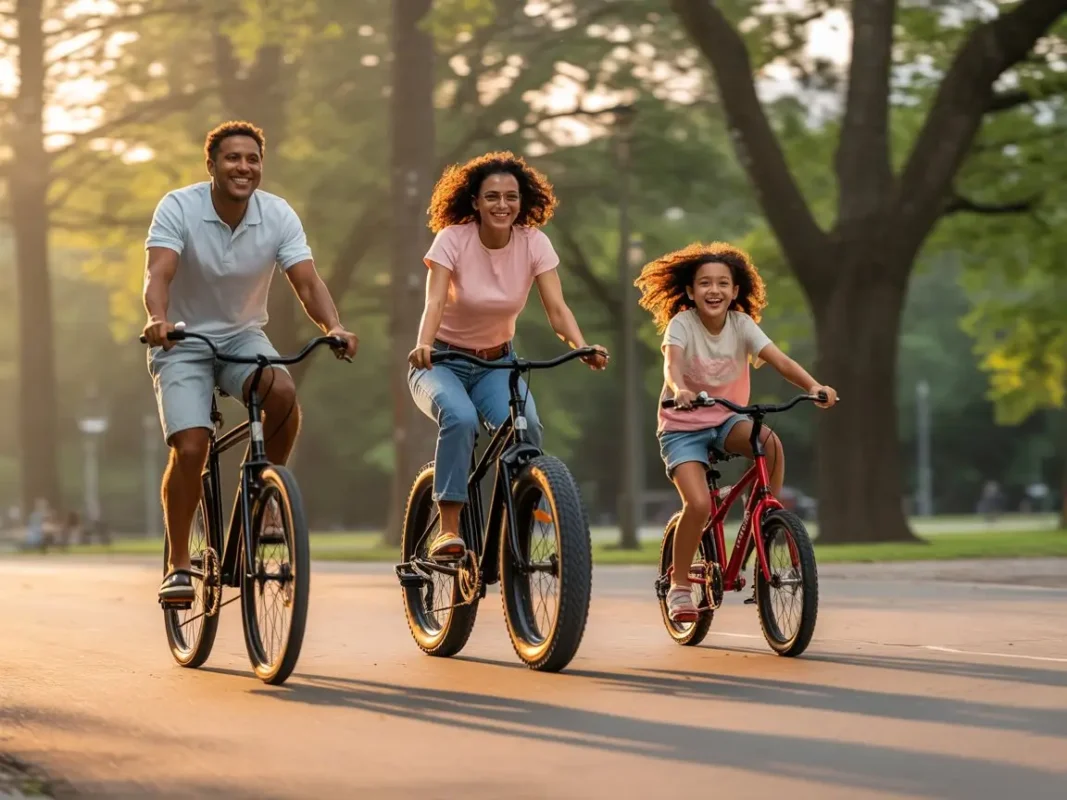
What Is a Recreational Bike and Why Choose One?
A recreational bike is your go-anywhere, do-anything companion for casual riding. Unlike racing bikes built purely for speed or specialized mountain bikes designed for extreme terrain, recreational bikes prioritize comfort and versatility. They work great for weekend rides, family outings, light exercise, and neighborhood exploring.
Think of recreational bikes as the comfortable sneakers of the cycling world. You can wear them almost anywhere without worrying about being overdressed or underprepared. They typically feature upright riding positions that reduce strain on your back and arms, making longer rides more enjoyable.
How to Choose a Bike: A Quick 5-Step Checklist
Picking the right bike doesn’t have to feel overwhelming. Follow these five steps to narrow down your options fast.
Step 1: Identify the Primary Rider
Start by figuring out who will ride this bike most often. Kids need different frame sizes and features than adults. Women often prefer step-through frames for easier mounting, while men typically choose traditional diamond frames. Height matters too – most bikes list recommended rider heights between 4’8″ and 6’2″.
Step 2: Define the Primary Use
Where will you ride? Paved paths call for smoother tires, while dirt trails need knobby treads for grip. Beach riding demands wide tires that won’t sink in sand. Commuters might want storage racks and fenders. According to bike selection experts, asking where you plan to ride – streets, bike paths, unpaved roads, or trails – is the first critical decision.
Step 3: Consider Storage Space
Got a garage or just a small apartment? Folding bikes collapse to fit tight spaces, making them perfect for urban dwellers. Standard bikes need more room but typically offer better ride quality. Think about where you’ll keep your bike between rides.
Step 4: Set a Budget
Recreational bikes range from $200 to $1,500+. Entry-level models around $200-400 work fine for occasional riders. Spend $400-800 for better components and lighter frames. Premium models above $800 offer advanced features like hydraulic brakes and carbon fiber parts.
Step 5: Key Features to Look For
Check these must-have features:
- Frame size matching your height
- Wheel size (20-29 inches depending on rider size)
- Gears (7-21 speeds for varied terrain)
- Weight capacity (typically 250-300 lbs)
- Brakes (disc brakes for better stopping power)
Understanding Different Types of Recreational Bikes
Let’s break down the main categories so you can zero in on what works for your riding style.
Dirt Bikes for Kids (The Thrill-Seeker’s Choice)
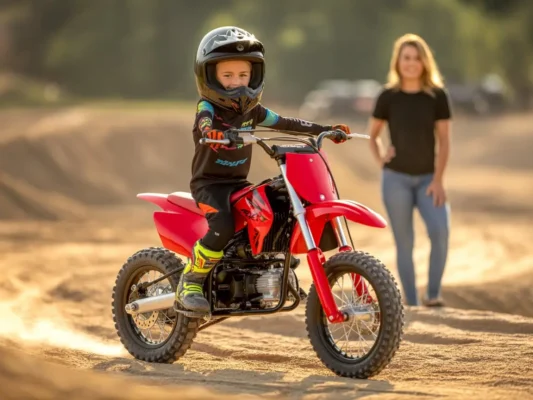
What They Are: Motorized mini bikes designed for off-road adventures. These small-engine bikes (usually 49cc) introduce kids ages 8-14 to powered riding in a controlled way.
Best For: Young riders craving excitement beyond pedal bikes. Perfect for backyards, empty lots, or designated riding areas. They build confidence and bike handling skills early.
Key Features: Gas-powered engines, knobby tires for dirt traction, hand brakes, and kick-start mechanisms. Most top out around 30 mph for safety.
For detailed analysis, check out our deep dive into the 49cc Dirt Bike for Kids.
Classic Beach Cruiser Bikes (For Leisurely Rides)
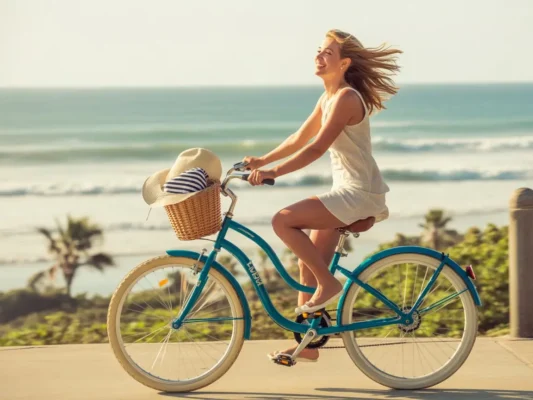
What They Are: Laid-back bikes with wide seats, curved handlebars, and simple designs. They scream “relaxation on two wheels.”
Best For: Flat terrain riding like boardwalks, bike paths, and neighborhood streets. Not built for hills or speed – just pure cruising comfort. Beach cruiser bikes show growing demand, with their attractive designs making them recommended for stylish and recreational options.
Key Features: Single-speed or 7-speed gearing, wide padded seats, upright riding position, and often include baskets or rear racks.
We’ve tested popular models like the WEIZE Beach Cruiser Bike to help you decide.
Women’s Specific Beach Cruisers (Comfort & Style)
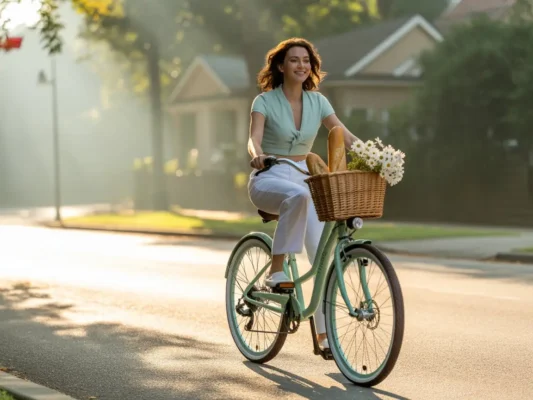
What They Are: Cruisers designed with women’s comfort in mind, featuring step-through frames and tailored geometry.
Best For: Female riders who want easy mounting/dismounting and a bike that fits their body proportions better.
Key Features: Lower standover height, narrower handlebars, shorter reach to controls, and often come in vibrant colors with stylish accessories.
See how brands like YITAHOME Beach Cruiser Bike for Women excel in this category.
Folding Beach Cruisers (The Space-Saving Solution)
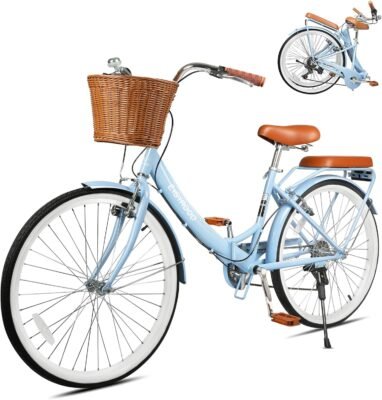
What They Are: Cruiser-style bikes that fold in half for compact storage and transportation.
Best For: Apartment dwellers, commuters combining biking with public transit, or anyone with limited storage. You can toss them in a car trunk easily.
Key Features: Folding mechanisms (usually mid-frame), quick-release components, and slightly smaller wheels (20-24 inches) for easier folding.
Our review of the Folding Beach Cruiser Bike for Women covers portability and ease of use in detail.
Hybrid Bikes (The Versatile All-Rounder)
What They Are: Bikes combining road bike efficiency with mountain bike durability. Hybrid bikes handle various terrains and casual riding activities, featuring lightweight frames with wider tires for better traction.
Best For: Riders who want one bike for multiple purposes – commuting during the week, trail riding on weekends.
Key Features: Medium-width tires, comfortable upright position, 21+ speeds, and sometimes front suspension.
Mountain Bikes for Recreation (Trail-Ready Fun)
What They Are: Rugged bikes built for off-road paths but suitable for beginners. Not extreme mountain machines, just recreational mountain bikes offering more versatility than hybrids with gear ranges suitable for most on-road riding and basic off-road cycling.
Best For: Riders exploring unpaved paths, gravel trails, and light mountain biking. Great for camping trips and nature adventures.
Key Features: Front suspension, knobby tires, 21-speed gearing, and durable frames.
Comparison Table: Which Bike Is Right for You?
| Bike Model | Best For | Primary Use | Key Feature | Price Range |
|---|---|---|---|---|
| Mongoose Argus ST | All-season riders | Snow, sand, trails | 4-inch fat tires | $400-600 |
| Schwinn High Timber | Budget beginners | Trails, paths | Lightweight aluminum | $250-400 |
| RYH Mountain Suspension | Comfort seekers | Light trails | Full suspension | $300-450 |
| MarKnig Mountain | Budget-conscious adults | Mixed terrain | Dual disc brakes | $200-350 |
| Huffy Stone Mountain | Casual neighborhood riders | Streets, easy trails | Simple maintenance | $150-250 |
What Makes a Good Recreational Bike?
Several factors separate great recreational bikes from mediocre ones. Here’s what to watch for.
Frame Material: Steel frames offer durability and smooth rides but add weight. Aluminum frames reduce weight significantly, making bikes easier to handle and transport.
Suspension System: Front suspension absorbs bumps and improves comfort on rough terrain. Full suspension (front and rear) provides maximum comfort but costs more and adds weight.
Gearing: More gears give you options for different terrain. Seven-speed bikes work fine for flat areas, while 21-speed setups tackle varied landscapes including hills.
Brake Type: Disc brakes (mechanical or hydraulic) provide consistent stopping power in all weather. Rim brakes cost less but don’t perform as well in wet conditions.
Tire Width: Wider tires offer more stability and comfort, especially on unpaved surfaces. Narrower tires roll faster on pavement but sacrifice some grip.
How Much Should You Spend on a Recreational Bike?
Budget ranges break down like this:
$150-300 (Basic Level): Expect steel frames, basic components, and limited features. Fine for occasional, short rides around the neighborhood. Brands like Huffy fit here.
$300-600 (Mid-Range): Better components, aluminum frames, and improved performance. Most recreational riders find their sweet spot in this range. Mongoose and Schwinn dominate this tier.
$600-1,000 (Upper Mid-Range): Quality components, lighter materials, and advanced features like hydraulic brakes. Worth it if you ride frequently.
$1,000+ (Premium): Top-tier components, carbon fiber options, and maximum performance. Overkill for casual recreational riding unless you’re truly passionate.
Most recreational riders get excellent value in the $300-600 range, where quality meets affordability.
What Size Bike Do I Need?
Bike sizing depends on your height and the wheel size. Here’s a general guide:
Wheel Size Based on Height:
- 20 inches: Kids 4’0″-4’5″
- 24 inches: Kids/Teens 4’5″-4’9″
- 26 inches: Adults 4’10”-5’7″
- 27.5 inches: Adults 5’3″-5’10”
- 29 inches: Adults 5’6″-6’2″+
Frame Size Matters Too: Small (13-15 inches), Medium (15-17 inches), Large (17-19 inches), and Extra Large (19-21 inches) frames accommodate different torso lengths and riding styles.
Pro Tip: Most bikes list recommended rider heights in their specifications. Always check before buying.
Can Recreational Bikes Handle Different Terrains?
Yes, but with limits. Recreational bikes shine on:
- Paved bike paths
- Gravel roads
- Packed dirt trails
- Beach boardwalks (with appropriate tires)
- Light mountain trails
They struggle with:
- Technical mountain bike trails with jumps
- Extremely rocky terrain
- Steep mountain climbs
- Racing circuits
Match your bike type to your primary riding location. Recreational bikes feature relaxed geometry that allows smooth rides on almost any surface while enjoying nature at a leisurely pace.
Do I Need Gears on a Recreational Bike?
It depends on your terrain. Flat areas work fine with single-speed bikes – simpler maintenance and fewer parts to break. However, if you encounter any hills or want to ride longer distances, gears become essential.
7-Speed Setup: Good for moderate terrain with occasional hills.
21-Speed Setup: Best for varied terrain including significant hills. Gives you low gears for climbing and high gears for flat speed.
More gears mean more flexibility, but also more maintenance. Choose based on where you’ll actually ride, not where you might ride “someday.”
What’s Better for Casual Riding: Mountain Bike or Hybrid?
Both work well for recreational riding, but they excel in different scenarios.
Choose a Hybrid Bike If:
- You mostly ride paved paths and streets
- You want faster rolling and less effort
- You prefer lighter weight
- Storage and portability matter
Choose a Recreational Mountain Bike If:
- You want to explore unpaved trails regularly
- You need better shock absorption
- You value versatility over speed
- You plan camping trips or nature outings
Many bike shops recommend recreational mountain bikes over hybrids because they offer more versatility with gear ranges suitable for road riding and basic off-road cycling.
How Do I Maintain a Recreational Bike?
Recreational bikes need minimal maintenance, but regular care keeps them running smoothly.
Weekly (If Riding Often):
- Check tire pressure
- Wipe down chain and add lube if squeaky
- Quick visual inspection for loose parts
Monthly:
- Clean bike thoroughly
- Inspect brakes and adjust if needed
- Check all bolts for tightness
Annually:
- Professional tune-up at bike shop ($75-150)
- Replace worn tires
- New brake pads if needed
Pro Tip: Keeping your chain clean and lubricated prevents 80% of common bike problems. Takes five minutes and saves hundreds in repairs.
Where Can I Ride a Recreational Bike?
Recreational bikes open up tons of riding options:
Urban Areas: Bike lanes, shared paths, park loops, and neighborhood streets. Folding bikes excel here with easy public transit integration.
Suburban Settings: Rail trails, greenways, and local parks provide miles of riding opportunities. Perfect for family outings.
Nature Trails: Packed dirt paths, gravel trails, and light mountain routes work great with appropriate tires. State parks often offer excellent trail networks.
Beachfronts: Boardwalks and beach paths become your playground with wide-tired cruisers.
Always check local regulations – some trails restrict motorized bikes including kids’ dirt bikes. When in doubt, call your local parks department.
Final Thoughts and Next Steps
The best recreational bike depends entirely on your specific needs, riding style, and budget. No single “perfect” bike exists for everyone. However, armed with the knowledge from this guide, you can confidently narrow your options and find your ideal match.
Your Next Steps:
- Define Your Riding: Write down exactly where and how you’ll ride most often. Be realistic, not aspirational.
- Set Your Budget: Decide what you can comfortably spend without regret. The $300-600 range offers the best value for most riders.
- Read Detailed Reviews: Check out our in-depth reviews of specific models that match your criteria:
- 49cc Dirt Bike for Kids for young thrill-seekers
- WEIZE Beach Cruiser Bike for classic cruising
- YITAHOME Beach Cruiser for Women for comfort and style
- Folding Beach Cruiser for space-saving convenience
- Test Ride If Possible: Nothing beats actually sitting on a bike and riding it. Visit local shops or borrow a friend’s similar bike.
- Make Your Purchase: Once you’ve found the right bike, commit to it and start riding. The perfect bike is the one you actually use.
Remember, the goal isn’t finding the most expensive or feature-packed bike. It’s finding the bike that makes you smile every time you ride it. That’s what recreational biking is all about – enjoyment, exploration, and freedom on two wheels.
Ready to find your perfect recreational bike? Use this guide to narrow your options, then dive into our detailed reviews for the final decision. Your next adventure is waiting.
FAQ
Q: What is the difference between a recreational bike and a regular bike? A: Recreational bikes prioritize comfort and versatility over speed or specialized performance. They feature upright riding positions, wider seats, and components designed for casual riding rather than racing or extreme terrain. Regular bikes might refer to any bicycle, but recreational bikes specifically target leisure riders who want enjoyable, low-pressure cycling experiences.
Q: Can adults ride recreational bikes, or are they just for kids? A: Adults absolutely ride recreational bikes – in fact, most recreational bikes are designed for adult riders. The category includes beach cruisers, hybrid bikes, and entry-level mountain bikes perfect for weekend rides, commuting, and fitness. Kids’ bikes are a separate subcategory with smaller frames and wheels.
Q: How much does a good recreational bike cost? A: Good recreational bikes typically cost $300-600, offering quality components and reliable performance. You can find basic models for $150-300 that work for occasional use, while premium recreational bikes run $600-1,000. Spending less than $150 usually means poor quality that won’t last.
Q: Do I need a fat tire bike for beach riding? A: Fat tire bikes work best for riding directly on sand, but they’re not essential for boardwalk or paved beach path riding. Standard beach cruiser tires (2-2.5 inches wide) handle boardwalks perfectly fine. However, if you plan to ride on actual beach sand, 3.8-4 inch fat tires prevent sinking and provide much better traction.
Q: What’s the best recreational bike for beginners? A: Beginners should start with hybrid bikes or comfort bikes in the $300-500 range. These offer easy handling, comfortable riding positions, and sufficient gearing without overwhelming complexity. The Schwinn High Timber or Mongoose Argus ST represent excellent starter options with reliable components and good value.
Q: How do I know what size recreational bike to buy? A: Check the manufacturer’s height recommendations for each bike model. Generally, 26-inch wheels fit riders 4’10”-5’7″, 27.5-inch wheels fit 5’3″-5’10”, and 29-inch wheels fit 5’6″-6’2″+. Frame size (small, medium, large) also matters – measure your inseam and consult sizing charts provided by each brand.
Q: Are folding bikes good for long rides? A: Folding bikes work fine for rides up to 10-15 miles, but larger-wheeled traditional bikes offer more comfort and efficiency for longer distances. The smaller wheels (typically 20 inches) on folding bikes require more pedal strokes to cover the same distance, which can cause fatigue on extended rides.
Q: Can I ride a recreational bike on hiking trails? A: It depends on the trail and local regulations. Many hiking-only trails prohibit bikes entirely. Multi-use trails specifically allow bikes. Recreational mountain bikes handle packed dirt and gravel trails well but struggle with technical hiking trails featuring rocks, roots, and steep grades. Always check trail rules before riding.
Q: Do I need special shoes for recreational biking? A: No, regular athletic shoes work perfectly fine for recreational biking. Specialized cycling shoes with clipless pedals improve efficiency but aren’t necessary for casual riding. Most recreational riders prefer regular shoes for the convenience of walking when needed.
Q: How often should I service my recreational bike? A: Plan for a professional tune-up once per year if you ride regularly (2-3 times weekly). Light recreational riders who bike occasionally can stretch this to every 18-24 months. Between professional services, perform basic maintenance monthly: clean the chain, check tire pressure, and inspect brakes.
Sources & References:
- Recreational Bike Buying Guide – ERIK’S Bike Shop
- How to Choose a Bike – REI Expert Advice
- Best Bikes of 2025 – Outdoor Gear Lab
- Best Recreational Mountain Bikes – Bikes Online
- 2025 Beautiful Bike Trends – Accio Business Insights
- What Bikes Are Best for Recreational Riding – Bobbin Bikes Australia
