
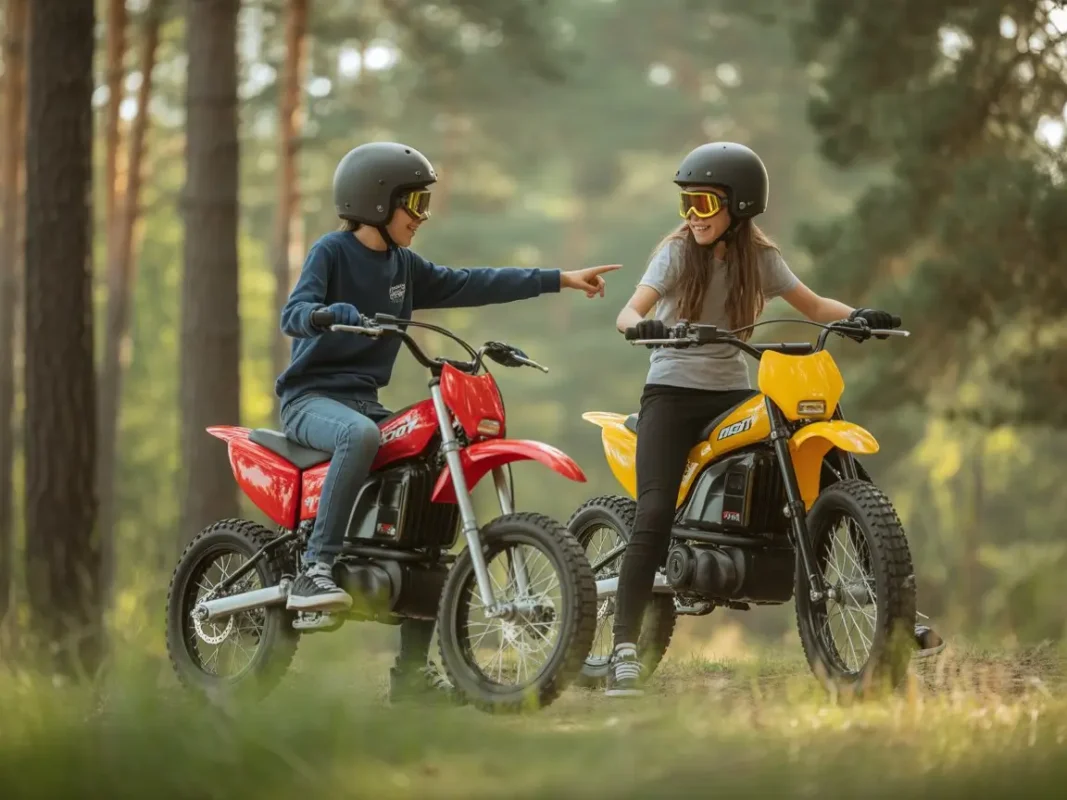
The Ultimate Guide to Entry-Level Electric Dirt Bikes: Choosing Your First E-Bike
Remember the first time you rode a bike? That rush of freedom mixed with a hint of fear? Now imagine that feeling amplified by a quiet electric motor, knobby tires gripping dirt, and the ability to explore trails your regular bicycle couldn’t touch. That’s what an entry-level electric dirt bike delivers.
However, choosing your first electric dirt bike feels overwhelming. You’re bombarded with technical specs you don’t understand—watts, volts, amp-hours—and every manufacturer claims theirs is the best. Parents worry about safety. Riders stress about wasting money on the wrong model. You want value, but you also want quality that lasts.
This guide cuts through the confusion. We’ll walk you through everything you need to know about entry-level electric dirt bikes, from understanding the tech to picking the perfect model. By the end, you’ll have the confidence to make the right choice for your needs and budget.
Why Choose an Electric Dirt Bike for Beginners?
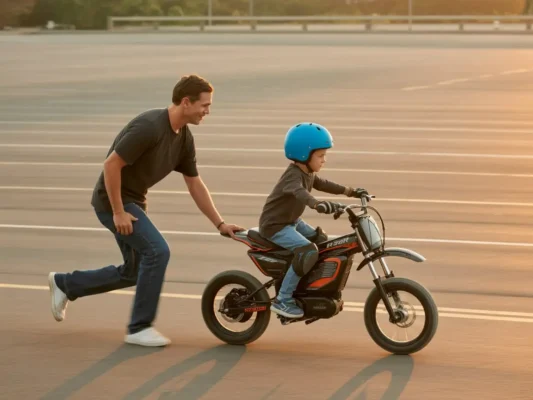
Electric dirt bikes have transformed from expensive novelties into serious alternatives to gas-powered bikes. For beginners, they offer unique advantages that make learning easier and more enjoyable.
The Advantages That Matter
Quiet Operation: Unlike gas bikes that wake the entire neighborhood, electric dirt bikes run whisper-quiet. You can ride in residential areas, practice in your backyard, or explore trails without disturbing wildlife or other people. This quieter operation means fewer complaints and more riding opportunities.
Instant Torque: Electric motors deliver power immediately when you twist the throttle. There’s no clutch to master, no stalling, and no confusing gear changes. This smooth, predictable power makes learning fundamentals easier because you’re not fighting engine mechanics.
Lower Maintenance: Forget oil changes, spark plugs, and air filters. Electric bikes have fewer moving parts, which means less maintenance and lower costs over time. Simply charge the battery, check tire pressure, and ride.
Eco-Friendly Riding: Zero emissions make electric bikes better for the environment. You can feel good about your hobby while enjoying nature. According to industry research, electric dirt bikes deliver silent, emission-free power that appeals to environmentally conscious riders.
No Hot Parts: Gas bikes have scalding exhaust pipes that can cause serious burns. Electric models eliminate this risk, making them safer for younger riders still developing spatial awareness.
Adjustable Power Settings: Most entry-level electric bikes include parent-controlled speed limiters. You can start beginners at lower speeds while they build confidence, then gradually unlock more power as skills improve.
Understanding the Trade-Offs
Nothing’s perfect, so let’s be honest about the downsides.
Range Anxiety: Entry-level electric bikes typically run 30-90 minutes per charge depending on terrain and rider weight. Gas bikes can refuel in seconds, while electric bikes need several hours to recharge. Plan your rides accordingly.
Charging Time: Most budget models require 4-8 hours for a full charge. This means limited back-to-back riding unless you invest in a second battery.
Battery Lifecycle: Lithium batteries last 500-800 charge cycles before capacity decreases noticeably. Lead-acid batteries (found on cheaper models) only last 200-300 cycles. Factor replacement costs into your budget.
Initial Cost: Quality electric dirt bikes start around $300-600, while comparable gas bikes might cost $400-800. However, electric bikes save money on fuel and maintenance over time.
For most beginners, especially kids and casual riders, the advantages far outweigh these limitations. The simplicity and safety of electric power make it the smarter choice for getting started.
Critical Buying Factors Explained
Understanding the specs helps you compare models accurately and avoid bikes that won’t meet your needs. Let’s break down the technical jargon.
Motor Power (Watts) & Speed: What Numbers Actually Mean
Motor wattage directly impacts speed and hill-climbing ability. Here’s what different power levels deliver:
100-300W Motors: Perfect for kids ages 3-7 riding on flat terrain. Top speeds around 5-10 mph. Struggles with hills but safe for beginners learning throttle control.
300-500W Motors: The sweet spot for kids ages 5-12. Reaches 10-15 mph and handles moderate hills. Provides enough excitement without overwhelming new riders.
500-1000W Motors: For older kids (10+) and lighter adults. Speeds of 15-25 mph with good hill-climbing power. Requires more rider skill and safety awareness.
1000W+ Motors: Adult-level power unsuitable for beginners. Speeds exceeding 25 mph demand advanced riding skills and safety gear.
More watts doesn’t always mean better—it means more responsibility. Match motor power to the rider’s age, weight, and experience level.
Voltage & Battery Life: The Power Behind Your Ride
Voltage determines how efficiently motors deliver power, while amp-hours (Ah) indicate how long that power lasts.
12V Systems: Found on small kids’ bikes like the Razor MX125. Limited to low speeds and short rides (30-40 minutes). Uses sealed lead-acid batteries that are heavy but cheap.
24V Systems: Mid-range power for ages 6-10. Provides 40-60 minutes of riding. Still typically uses lead-acid batteries.
36V Systems: Popular on quality kids’ bikes and entry-level adult models. Runs 60-90 minutes with lithium batteries. Offers the best balance of performance and cost for beginners. According to Hiboy specifications, their 36V 5.2Ah lithium battery system provides up to 13.7 miles of range.
48V+ Systems: Adult bikes with extended range and higher speeds. Unnecessary for beginners but good for riders planning to advance quickly.
Pro Tip: Lithium batteries cost more upfront but last 3x longer than lead-acid and recharge faster. They’re worth the extra investment if your budget allows.
Build Quality & Weight Limit: Why Frame Materials Matter
Frame construction affects durability, weight, and rider comfort.
Steel Frames: Heavy but incredibly durable. Absorbs vibrations well, creating a smoother ride. Most budget bikes use steel because it’s cheap and strong. Drawback: weight makes bikes harder for kids to handle when stopped.
Aluminum Frames: Lighter than steel while maintaining strength. Easier for younger riders to control. More expensive, typically found on mid-range models ($400+).
High-Carbon Steel: Stronger than regular steel at similar weight. Used on better budget bikes as a compromise between cost and performance.
Weight Limits: Entry-level bikes support 100-175 lbs typically. Exceeding weight limits stresses components, reduces performance, and creates safety hazards. Always check manufacturer specifications against rider weight.
Tire Type & Suspension: Smooth Riding Matters
Tires and suspension determine how well bikes handle different terrains.
Pneumatic (Air-Filled) Tires: Standard on quality bikes. Provide cushioning and grip. Knobby treads grip dirt, grass, and gravel. Smooth treads roll faster on pavement. Size matters too—12-inch wheels for small kids, 14-16 inches for ages 6-12.
Front Suspension: Absorbs bumps and prevents hand fatigue. Entry-level bikes use spring forks or basic hydraulic systems. Even basic suspension dramatically improves ride quality on rough terrain.
Rear Suspension: Found on premium models. Provides maximum comfort but adds weight and cost. Not essential for beginners riding moderate terrain.
No Suspension: Budget bikes under $200 often skip suspension entirely. These work fine on smooth surfaces but cause discomfort on trails.
Safety Features: Non-Negotiable Requirements
Safety features protect riders and give parents peace of mind.
Speed Limiters: Let parents cap maximum speed. Essential for young or inexperienced riders. Look for bikes with 2-3 speed modes so you can gradually increase performance as skills improve.
Brake Systems: Disc brakes (mechanical or hydraulic) provide superior stopping power in all conditions. Caliper brakes (rim brakes) work but require more hand strength and perform poorly when wet. Hand-operated rear brakes work well for kids still developing coordination.
Throttle Control: Twist-grip throttles (like motorcycles) feel more natural than thumb throttles. Some bikes include throttle ramps that control how quickly power engages, preventing sudden jerks.
Motor Cutoff Switches: Automatically cut power when brakes engage. This critical feature prevents accidents caused by simultaneous throttle and brake application.
Battery Management Systems: Protect against overcharging and overheating. Look for UL or CE certifications indicating the electrical system meets safety standards.
Top Entry-Level Models Reviewed & Compared
Now let’s examine specific bikes that excel in the beginner category. We’ve analyzed specs, read hundreds of customer reviews, and identified standout options at different price points.
Quick Comparison Table
| Model | Price | Motor | Max Speed | Battery | Weight Limit | Best For |
|---|---|---|---|---|---|---|
| Razor MX125 | $200-280 | 100W | 8 mph | 12V Lead-Acid | 110 lbs | Young kids (5-8) learning basics |
| Hiboy DK1 | $370-400 | 300W | 15.5 mph | 36V 5.2Ah Lithium | 140 lbs | Kids (3-10) wanting more power |
| Razor MX350 | $300-380 | 350W | 14 mph | 24V Lead-Acid | 140 lbs | Ages 7-12 seeking durability |
| Razor MX650 | $500-650 | 650W | 17 mph | 36V Lead-Acid | 220 lbs | Teens & lighter adults |
| Segway Dirt eBike X160 | $800-1000 | 1000W | 25 mph | 36V 5.2Ah Lithium | 165 lbs | Older teens wanting performance |
In-Depth Review: Razor MX125 Dirt Rocket
Quick Take: Perfect starter bike for young kids learning throttle control, featuring dual speed modes and authentic dirt bike geometry at the lowest entry price point available today.
The Razor MX125 represents the smallest and most affordable entry into electric dirt biking. With its 100-watt motor and authentic motocross-inspired design, this bike introduces children ages 5-8 to the thrill of off-road riding without overwhelming them.
Key Specifications:
- Motor: 100W chain-driven, rear-wheel drive
- Top Speed: 8 mph (High Mode), 5 mph (Low Mode)
- Battery: 12V sealed lead-acid rechargeable
- Runtime: 40 minutes (High), 80 minutes (Low)
- Charge Time: 6 hours
- Wheels: 12-inch pneumatic knobby tires
- Weight Limit: 110 lbs
- Bike Weight: 45 lbs
Standout Features:
The dual-speed control sets the MX125 apart from competitors. Parents can limit maximum speed to 5 mph while kids learn basic controls, then switch to 8 mph as confidence grows. This graduated approach builds skills safely.
The rear-wheel-drive configuration delivers better weight distribution and traction than front-wheel systems. Kids find balancing easier, especially during starts and stops.
According to extensive customer reviews, parents praise the bike’s durability and appropriate sizing for younger children. One reviewer noted their 6-year-old rides it daily on the “slow setting” which provides “plenty fast” speed for learning.
Pros:
- Lowest price point for quality electric dirt bike
- Authentic motocross geometry feels like a real dirt bike
- Dual speed modes accommodate skill progression
- Lightweight enough for kids to handle when stopped
- Hand-operated rear brake with motor cutoff safety
- Minimal assembly required (15-20 minutes)
Cons:
- Lead-acid battery is heavy and has limited cycle life (200-300 charges)
- 6-hour charge time means less spontaneous riding
- Limited power struggles on hills or heavier riders
- Battery performance degrades significantly after 6-12 months based on usage
- Narrow 110-lb weight limit means kids outgrow it quickly
Best For: Kids ages 5-8 under 100 lbs who are completely new to dirt biking. This bike excels as a training tool that builds confidence without breaking the bank. Parents should view it as a stepping stone, not a long-term investment.
Read our complete Razor MX125 review for detailed performance analysis, setup tips, and maintenance guidance.
In-Depth Review: Hiboy DK1 36V Electric Dirt Bike
Quick Take: Superior power-to-price ratio with modern lithium battery, three speed modes, and hydraulic front suspension making it the best overall value for kids ages 3-10.
The Hiboy DK1 steps up from budget offerings with a 300-watt motor and 36-volt lithium battery system. This combination delivers significantly better performance than lead-acid competitors while maintaining reasonable pricing.
Key Specifications:
- Motor: 300W brushless, rear-wheel drive
- Top Speed: 15.5 mph (High), 7.5 mph (Medium), 5 mph (Low)
- Battery: 36V 5.2Ah lithium-ion
- Runtime: 90 minutes typical, up to 13.7 miles range
- Charge Time: 4-5 hours
- Wheels: 14-inch knobby off-road tires
- Weight Limit: 140 lbs
- Bike Weight: 38 lbs
- Special Features: Hydraulic front fork, battery power display
Standout Features:
The three-speed system gives parents precise control over performance levels. Starting a 4-year-old at 5 mph prevents overwhelming them, while 10-year-olds enjoy the full 15.5 mph capability. This wide range means the bike grows with your child.
Hydraulic front suspension dramatically improves ride quality compared to spring forks. Kids experience less hand fatigue and better control on bumpy terrain. The high-strength rear shock springs complement the front fork, creating a smooth, quiet ride.
The battery power display—a feature typically found only on premium bikes—lets riders and parents monitor charge levels during rides. This prevents unexpected dead batteries far from home.
Real-world testing shows impressive durability. Customer reviews highlight that the DK1 handles 4+ hours of riding on medium speed, and parents appreciate that it’s “quieter than traditional electric motocross bikes.”
Pros:
- Lithium battery lasts 800+ charge cycles (3x longer than lead-acid)
- Faster charging (4-5 hours vs 6-8 hours)
- Three speed modes accommodate ages 3-10
- 30% more powerful than Razor MX125 for hills and heavier riders
- Hydraulic front suspension for comfort
- Battery display prevents range surprises
- IPX4 water resistance for worry-free outdoor use
- Higher 140-lb weight limit extends usable lifespan
Cons:
- Higher upfront cost ($370 vs $200 for MX125)
- No adjustable seat height (23.6 inches fixed)
- Training wheels cannot be added
- May be too powerful initially for very young beginners
- Replacement lithium batteries cost more (though needed less frequently)
Best For: Families wanting one bike that serves multiple children or grows with a single child over several years. The DK1’s wider age range (3-10) and superior battery technology justify the higher price for serious riders.
Read our complete Hiboy DK1 review for expert setup instructions, performance testing results, and comparison with other models.
Other Models Worth Considering
Razor MX350/MX400: The MX350 range offers middle-ground performance at $300-380. Features include a 350W motor, 14 mph top speed, and dual-disc brakes. However, it still uses 24V lead-acid batteries. Best for ages 7-12 who need more power than the MX125 but aren’t ready for the MX650’s 17 mph speeds.
Razor MX650: At $500-650, this represents Razor’s top entry-level offering. The 650W motor and 220-lb weight limit accommodate teenagers and smaller adults. Performance matches bikes costing $200-300 more. Main drawback: heavy 36V lead-acid battery system adds weight without the performance benefits of lithium.
Segway Dirt eBike X160: Premium entry-level option at $800-1000. Features a 1000W motor, 25 mph top speeds, and quality components throughout. Excellent for older teens (14+) wanting performance but potentially too much bike for true beginners.
Burromax TT250/TT350: Budget alternatives to Razor in the $300-500 range. Offer similar specs but less brand recognition and potentially lower resale value. Good options if you can’t find Razor models in stock.
Essential Gear & Safety First
No rider—regardless of age or experience—should swing a leg over any dirt bike without proper safety gear. Equipment protects against injuries and builds confidence for trying new skills.
Non-Negotiable Safety Gear
Helmet (Most Critical): A quality helmet is your most important investment. Look for DOT, ECE, or Snell certification—these standards ensure the helmet meets rigorous safety requirements. Full-face helmets provide maximum protection for dirt biking, covering the jaw and chin areas vulnerable in falls.
Size matters dramatically. A helmet should fit snugly without pressure points. The “two-finger rule” helps: you should fit two fingers between the chin strap and your throat when fastened. Helmets should be replaced after any significant impact or every 3-5 years as materials degrade. Budget $50-150 for quality youth helmets, $100-300 for adult models.
Goggles: Protect eyes from dirt, rocks, and branches. Choose goggles with anti-fog coatings, UV protection, and adequate ventilation. Some states require eye protection for minors on public land. Budget $20-60.
Gloves: Prevent blisters and protect hands during falls. Look for padded palms, reinforced knuckles, and breathable materials. Motocross-specific gloves offer better grip on controls than general sports gloves. Budget $15-40.
Boots: Over-the-ankle boots provide crucial protection. Ankle injuries represent the most common preventable dirt bike injury according to safety research. Look for boots with steel shanks, reinforced toe boxes, and ankle support. Budget $50-150 for youth, $100-250 for adults.
Protective Clothing: Long sleeves and pants made from abrasion-resistant materials prevent road rash. Riding jeans or motocross-specific pants work better than regular clothing. Budget $40-100.
Body Armor: Chest protectors, elbow guards, and knee pads reduce injury severity during crashes. For entry-level riders on slower bikes, basic pad sets ($30-60) suffice. Advanced riders should invest in full roost guards or armor vests ($80-200).
Pro Tip: Let kids help pick their gear—especially colors and designs. Children who love their safety equipment wear it consistently without complaints.
Pre-Ride Checklists and Basic Maintenance
Developing a pre-ride routine prevents mechanical issues and teaches responsibility.
Before Every Ride:
- Check tire pressure (most kids’ bikes: 25-30 PSI)
- Test brakes for responsiveness
- Inspect chain for proper tension and lubrication
- Verify battery charge level
- Look for loose bolts or damaged components
- Ensure all lights/displays function properly
Weekly Maintenance (For Regular Riders):
- Clean bike to remove dirt and debris
- Lubricate chain if it appears dry or squeaky
- Check spoke tension (loose spokes create safety hazards)
- Inspect brake pads for wear
- Tighten any loose fasteners
Monthly Deep Maintenance:
- Thoroughly clean and degrease drivetrain
- Check all electrical connections for corrosion
- Inspect tires for cuts, punctures, or uneven wear
- Test battery health and connections
- Verify suspension function (no unusual noises or leaking)
Storage Tips: Keep bikes in dry locations away from extreme temperatures. Charge batteries to 50-70% for long-term storage. Disconnect batteries if storing for more than 30 days.
Finding Safe and Legal Places to Ride
Location matters as much as equipment. Riding in appropriate areas keeps everyone safe and legal.
Private Property: Your backyard or a friend’s land offers the easiest option. Ensure adequate space free from obstacles, pets, and traffic. Always obtain landowner permission before riding on someone else’s property.
Designated OHV Areas: Many states maintain Off-Highway Vehicle parks and trails specifically for dirt bikes. These locations offer varied terrain, maintenance, and safety patrols. Check your state’s Department of Natural Resources or Parks Department website for locations near you.
Motocross Tracks: Local tracks often host “practice days” where riders pay a small fee ($10-30) to use professionally maintained courses. Great for skill development in a controlled environment.
What to Avoid: Never ride on public streets, sidewalks, or bike paths unless your bike is specifically street-legal (most entry-level models aren’t). Many parks prohibit motorized vehicles on hiking trails—always check posted rules.
Legal Considerations: Some states require registration, OHV stickers, or insurance even for private property use. Consult your state’s OHV program or local regulations to ensure compliance.
Making Your Decision: A Step-by-Step Checklist
Use this systematic approach to narrow options and make a confident choice.
Step 1: Define Your Budget
- Under $250: Razor MX125 or similar basic models
- $250-400: Hiboy DK1, Razor MX350 range
- $400-700: Razor MX650, premium entry-level options
- $700+: Advanced beginner models with adult-level features
Remember: budget for safety gear ($150-300 minimum) beyond bike cost.
Step 2: Identify Rider Age, Size, and Experience
- Ages 3-7, under 100 lbs, no experience: MX125 class bikes
- Ages 5-10, under 140 lbs, some bike experience: Hiboy DK1, MX350 range
- Ages 10-14, under 220 lbs, confident coordination: MX650, 500W+ models
- Ages 14+, any size, athletic ability: Consider adult entry-level bikes
Can the rider flat-foot the seat when sitting? This matters more than age recommendations.
Step 3: Determine Needed Range and Riding Style
- Short backyard sessions (30-45 min): Lead-acid batteries work fine
- Extended trail rides (60-90 min): Lithium batteries essential
- All-day riding with breaks: Consider buying a spare battery
- Casual weekend use: Any entry-level battery suffices
- Daily riding: Invest in quality lithium for longevity
Step 4: Prioritize Key Features Must-have features vary by situation:
- Multi-kid families: Multiple speed modes, wider age range
- Nervous parents: Strong speed limiters, excellent brakes
- Rough terrain: Front suspension minimum, rear suspension ideal
- Storage limitations: Lighter bikes, easy battery removal
- Long-term value: Lithium batteries, higher weight limits
Step 5: Compare Finalists Using Chapter 3 By this point, you should have 2-3 bikes meeting your requirements. Compare them directly:
- Read full reviews for each model
- Check current pricing and availability
- Read recent customer reviews for quality issues
- Verify warranty coverage and customer service reputation
- Calculate total cost including safety gear and accessories
Decision Matrix Example:
For a 7-year-old, 85 lbs, with bicycle experience, wanting to ride 1-2 hours on trails, budget $500 total:
- Best Choice: Hiboy DK1 ($370) + basic safety gear ($130) = $500
- Reasoning: Lithium battery supports extended rides, three speed modes grow with rider, 140-lb limit allows several years use
- Alternative: Razor MX350 ($320) + better safety gear ($180) if rider needs less power initially
Conclusion: From Confusion to Confidence
You started this guide feeling overwhelmed by choices and confused by technical specifications. Now you understand exactly what makes a good entry-level electric dirt bike, which features actually matter, and how to match bikes to specific riders.
The best electric dirt bike isn’t the most expensive or the most powerful—it’s the one matching your rider’s age, size, skill level, and intended use. A 6-year-old learning basics thrives on a Razor MX125, while a confident 10-year-old ready for challenges benefits from a Hiboy DK1’s extra power and features.
Quick Recommendations for Different Profiles
For the Young First-Timer (Ages 5-7): The Razor MX125 provides the gentlest introduction at the lowest cost. Its dual-speed modes and manageable power let kids build confidence without fear. Parents love the safety features and affordable price that doesn’t break the bank if the child loses interest.
For the Serious Young Rider (Ages 7-10): The Hiboy DK1 shines with its lithium battery longevity and three-speed progression. Kids get years of use as they develop skills, and parents appreciate not needing to upgrade after one season.
For the Teen Wanting Power (Ages 12-15): The Razor MX650 or Segway X160 deliver near-adult performance while maintaining entry-level simplicity. These bikes satisfy adventurous teenagers without overwhelming beginners.
For Families with Multiple Kids: Invest in the Hiboy DK1 or MX650—their wide operating ranges and adjustable features accommodate everyone from your 6-year-old to your 14-year-old.
Your Next Steps
Take Action Today:
- Determine Your Budget: Decide how much you can comfortably invest in bike plus safety gear. Remember, safety equipment isn’t optional.
- Measure Your Rider: Note height, weight, and inseam measurements. Compare these against manufacturer specifications for your shortlist bikes.
- Read Full Reviews: Dive deep into reviews of bikes meeting your criteria. Pay attention to common complaints and failure points mentioned by multiple buyers.
- Check Availability: Stock fluctuates, especially during holiday seasons. Identify where you can purchase your chosen bike—local dealers often provide better support than big-box retailers.
- Plan Your First Ride: Identify legal riding locations near you before the bike arrives. Having a plan prevents frustration and ensures you’re ready when excitement peaks.
Related Resources:
- Razor MX125 Complete Review – Deep dive into specs, performance, and long-term ownership
- Hiboy DK1 Complete Review – Full testing results, setup guide, and comparison analysis
- Electric vs. Gas Dirt Bikes for Beginners – Detailed breakdown helping you choose power type
- Electric Dirt Bike Batteries Explained – Understanding volts, amps, and range calculations
- Complete Safety Gear Checklist – Every item kids need, sorted by budget
- Basic E-Dirt Bike Maintenance Guide – Keep your bike running strong for years
Remember, the goal isn’t finding the perfect bike—it’s finding the right bike for your specific situation. Armed with the knowledge from this guide, you’re ready to make that choice with confidence.
Ready to start your electric dirt biking adventure? Pick the bike matching your needs, order the essential safety gear, and get out there. The trails are waiting.
Frequently Asked Questions (FAQ)
What age can kids start riding electric dirt bikes? Kids as young as 3-4 years can start on low-power electric dirt bikes (100-300W) with training wheels and close supervision. Most manufacturers recommend ages 5-7 as the practical starting point when children have developed enough coordination and judgment. Maturity matters more than age—assess whether your child can follow safety rules, wear gear consistently, and exercise self-control with power.
Do you need a license to ride an electric dirt bike? Licensing requirements vary by state and where you ride. On private property, no license is typically needed regardless of age. On public trails or OHV areas, requirements differ—some states mandate safety courses for riders under 16, while others require OHV registration stickers. Street riding usually requires a motorcycle license and street-legal equipment. Check your state’s Department of Motor Vehicles or OHV program for specific rules.
How long do electric dirt bike batteries last? Runtime per charge ranges from 30-90 minutes depending on battery type, terrain, and rider weight. Lead-acid batteries (cheaper models) last 200-300 charge cycles before replacement. Lithium batteries (quality models) last 500-800 cycles. With regular use, expect lead-acid batteries to need replacement after 6-12 months, while lithium batteries last 2-4 years.
Can electric dirt bikes go on trails? Yes, electric dirt bikes handle trails well—often better than paved surfaces. Their knobby tires, suspension, and torque-rich motors excel on dirt paths, grass, and moderate off-road terrain. However, check trail regulations first. Many hiking trails prohibit motorized vehicles, while designated OHV trails welcome them. Some areas restrict trail access to specific days or hours.
What’s better for beginners: electric or gas dirt bikes? Electric bikes are generally better for beginners, especially children. They offer simpler operation (no clutch or gears), quieter running, lower maintenance, and instant torque that’s easier to control. Gas bikes require more mechanical knowledge and maintenance but provide longer range and faster refueling. For learning fundamentals and building confidence, electric wins. Advanced riders eventually may prefer gas for extended adventures.
How fast do entry-level electric dirt bikes go? Entry-level speeds range from 5-25 mph depending on motor power. Kids’ models (100-300W) top out at 8-15 mph, providing thrilling excitement while maintaining safety. Teen/adult entry models (500-1000W) reach 15-25 mph. For comparison, experienced riders on full-power electric bikes can hit 40-60+ mph, which is far too dangerous for beginners.
Are electric dirt bikes safe for kids? Electric dirt bikes can be safe when proper precautions are followed. Choose age-appropriate models with speed limiters, ensure riders wear complete safety gear every ride, provide supervised practice in controlled environments, and establish clear rules about where and when riding is permitted. Injuries happen most often when kids ride bikes too powerful for their skills, skip safety equipment, or ride in inappropriate locations. Parents bear responsibility for matching bikes to abilities and enforcing safety standards.
How much does it cost to charge an electric dirt bike? Charging costs pennies per session. A typical entry-level bike uses 0.2-0.5 kWh per full charge. At average U.S. electricity rates ($0.16/kWh), that’s $0.03-0.08 per charge—essentially free. Over a year of regular use (50 charges), you’ll spend roughly $2-4 on electricity. This dramatic savings compared to gas bikes (costing $3-5 per tank) adds up significantly.
Can adults ride kids’ electric dirt bikes? Some adults can ride kids’ bikes if they’re within weight limits, but it’s not ideal. Most kids’ bikes support 110-140 lbs, eliminating many adults. Even lighter adults find kids’ bikes uncomfortable with cramped ergonomics and insufficient power for their weight. Entry-level adult electric dirt bikes start around $800-1200 and provide proper sizing, power, and comfort. Don’t risk damaging a kids’ bike or injuring yourself.
What maintenance do electric dirt bikes need? Electric bikes require minimal maintenance compared to gas models. Weekly: clean bike, check tire pressure, inspect chain tension. Monthly: lubricate chain, check brake function, tighten bolts, inspect tires for damage. Annually: professional tune-up if available, replace worn brake pads, check electrical connections. No oil changes, air filter cleaning, or spark plug replacement needed. Most owners handle all maintenance themselves with basic tools.
How do I know what size electric dirt bike to buy? Sizing depends on seat height and weight capacity. Have your rider sit on the bike (if possible) with feet on pegs—they should be able to touch the ground with both feet flat or on toes. Check manufacturer height recommendations (usually listed as “suitable for riders X-Y inches tall”). Verify weight capacity exceeds rider weight by at least 20-30 lbs for safety and performance. When choosing between sizes, go smaller for beginners—they can
